

Table of Contents
- What Makes Raw Natural Specimens Perfect for Home Decor
- Raw Quartz Clusters: The Foundation of Any Mineral Collection
- Amethyst, Citrine, and Rose Quartz: Colored Specimens That Transform Spaces
- Best Crystals for Home Protection: Black Tourmaline and Selenite
- How to Display Mineral Specimens in Your Home
- Maintenance, Cleaning, and Ethical Sourcing
- Rare and Unique Specimens for Collectors
- Conclusion
Last Updated: August 27, 2026
What Makes Raw Natural Specimens Perfect for Home Decor
Raw natural specimens bring authenticity that polished, mass-produced items cannot match. Each piece carries geological history, the pressure, heat, and time that shaped its structure, making it a conversation starter and visual anchor. Unlike purely decorative objects, raw minerals offer dual appeal: they're visually striking and deeply meaningful.
Raw quartz clusters, amethyst geodes, and citrine formations introduce texture, depth, and earthy tones that complement both minimalist and maximalist interiors. They catch light differently than polished stones, creating dynamic shadows that shift throughout the day. What sets raw specimens apart is their organically textured surfaces and irregular formations. Each is geologically unique, shaped by natural forces over millennia, making your collection deeply personal and reflective of your aesthetic preferences and spiritual intentions.
The metaphysical dimension adds another layer of appeal. Many believe raw minerals carry stronger energy signatures than polished versions because they haven't been altered by human intervention. Whether you approach this scientifically (studying crystalline structures) or spiritually (exploring energy flow), raw specimens invite exploration and contemplation, turning a shelf into a personal gallery of natural wonders.
Raw Quartz Clusters: The Foundation of Any Mineral Collection
Raw quartz clusters form the backbone of most mineral collections. Clear quartz is believed to be the most versatile mineral for amplifying energy and intentions, making it an ideal starting point. The translucent, crystalline points catch and refract light, creating visual movement and depth on any surface.
Raw quartz clusters come in various sizes, from small 2-3 inch pieces to substantial specimens weighing several pounds. The unpolished aesthetic reveals natural geometry, sharp points, angular faces, and irregular surfaces that tell the story of formation. This geological authenticity is what makes raw quartz compelling as a home accent.
Raw quartz clusters serve multiple purposes in home design. They work as focal points on shelves, bedside tables, or meditation spaces. They anchor smaller specimen collections. They can be grouped by size or color to create visual rhythm. The translucent quality means they interact with lighting differently throughout the day, morning sunlight, evening lamps, or candlelight each illuminate them uniquely.
For those new to mineral collecting, raw quartz clusters offer several advantages: they're relatively affordable, widely available from ethical sources, and durable enough for regular display without special precautions. A single cluster can anchor an entire shelf aesthetic, requiring minimal additional styling.
| Specimen Type | Best For | Display Height | Light Interaction |
|---|---|---|---|
| Raw Quartz Cluster | Shelves, meditation spaces, focal points | Eye level to elevated | High (translucent, refracts light) |
| Small Quartz Points | Grouped displays, shelf accents | Mid to high | Moderate (catches light) |
| Large Cluster Base | Standalone floor display, statement piece | Low to mid | Variable (depends on size) |
Amethyst, Citrine, and Rose Quartz: Colored Specimens That Transform Spaces
Colored quartz varieties introduce warmth, personality, and visual richness. Amethyst's deep purple, citrine's golden warmth, and rose quartz's soft pink each bring distinct energy, purple suggests calm, gold radiates abundance, and pink evokes gentleness.
Amethyst clusters are among the most visually striking specimens available. Raw amethyst geodes, with hollow interiors lined with crystalline points, create dramatic focal points. When light illuminates the interior, they become almost luminous. The metaphysical association with mental clarity adds intentionality beyond pure aesthetics.
Citrine brings warmth few minerals match. Its golden-yellow color creates abundance and positivity. Raw citrine clusters glow when sunlight hits them, particularly effective in spaces needing brightening, north-facing rooms, home offices, or meditation areas. A single cluster sets the tone for an entire shelf arrangement.
Rose quartz, with its gentle pink hue, serves a different purpose. It's softer, more subtle, and works well in bedrooms, bathrooms, or rest spaces. Raw rose quartz specimens showcase natural color variations while maintaining geological authenticity.
When styling with colored specimens, consider how they interact with existing décor. Amethyst works well with jewel tones or cool neutrals. Citrine complements warm whites, creams, and earth tones. Rose quartz pairs beautifully with soft, neutral backgrounds. Let each specimen breathe visually, avoid overcrowding shelves.
Best Crystals for Home Protection: Black Tourmaline and Selenite
Black tourmaline and selenite are the two minerals most frequently chosen for home protection, though they work through different mechanisms.
Black tourmaline is dense, opaque, and visually striking. Raw specimens display natural striations and angular formations. The belief surrounding black tourmaline centers on protective properties, it's thought to shield against negative energy and electromagnetic frequencies. Its visual heaviness and dark color naturally convey stability and protection. Placing a raw specimen near entryways, windows, or room corners is common practice.
Selenite offers protection through purification and clarity. Its translucent white appearance creates lighter energy than black tourmaline. Raw selenite towers are popular for their vertical orientation, which naturally draws the eye upward. Selenite is believed to cleanse spaces of stagnant energy, creating clarity and peace.
The practical difference matters for placement. Black tourmaline's visual weight makes it a grounding element, place it low on shelves or in corners. Selenite's ethereal quality works better at eye level or elevated, where light can pass through it. Together, they create balanced protection: black tourmaline grounds and shields, selenite purifies and elevates.
Pairing these minerals creates a comprehensive approach. A raw black tourmaline specimen near your front entrance combined with a selenite tower in your bedroom addresses both external and internal energetic boundaries.
How to Display Mineral Specimens in Your Home
Displaying raw specimens effectively transforms them into curated collections that enhance your entire living space.
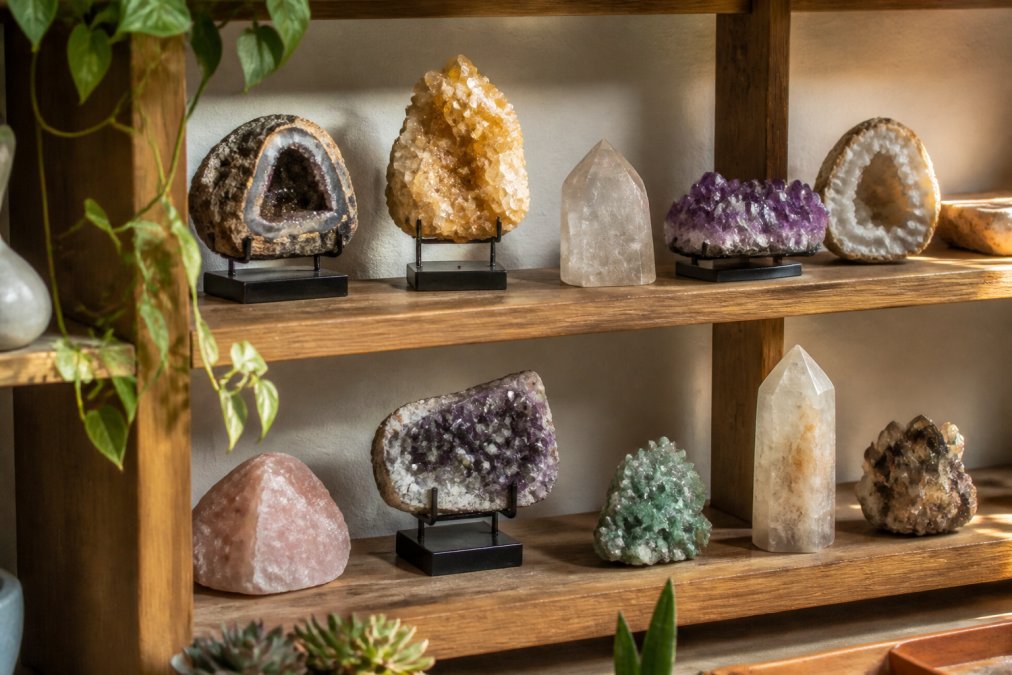
Lighting is the most critical element. Natural light, particularly morning or afternoon sunlight, reveals translucency, color variation, and internal geometry. Translucent specimens like raw quartz and citrine truly come alive when backlit or sidelit. If your space lacks natural light, add a soft LED light source positioned to illuminate specimens without harsh shadows.
Height variation creates visual interest. Arrange specimens at different levels using shelves, small stands, or stacked books. A tall amethyst cluster might anchor one end of a shelf while smaller quartz points graduate down in size. This creates natural flow more engaging than uniform arrangement.
Negative space matters as much as the specimens themselves. Resist filling every inch of shelf space. Raw specimens are visually complex with texture, shadow, and dimension. Surrounding them with empty space allows each piece to be appreciated individually.
Consider the background. Neutral backgrounds, soft whites, warm grays, or natural wood, allow minerals' colors and textures to stand out. Light-colored walls make dark specimens like black tourmaline pop, while slightly darker backgrounds make translucent pieces glow.
Grouping by geological type or color creates coherence. A shelf dedicated to purple specimens feels intentional. A display of metallic minerals creates visual unity. Alternatively, grouping by size creates natural progression. The key is avoiding random scattering that feels chaotic.
Maintenance, Cleaning, and Ethical Sourcing
Raw mineral specimens require minimal maintenance, but proper care ensures they remain beautiful for years.
Most raw specimens should be dusted gently with a soft, dry cloth. Avoid water unless certain the mineral tolerates it, many minerals like selenite dissolve in water (usgs.gov). For specimens that can handle moisture, use distilled water rather than tap water. Never use harsh chemicals or commercial cleaners.
Light exposure matters for color preservation. Many minerals fade slightly with prolonged direct sunlight (si.edu). This is natural and doesn't harm the specimen, but rotate displays periodically or use sheer curtains to diffuse intense light. This is particularly relevant for amethyst and citrine.
Temperature and humidity fluctuations can stress minerals. Avoid placing specimens near heating vents, air conditioning units, or windows with dramatic temperature swings. Stable indoor conditions preserve specimens better than unstable environments.
Ethical sourcing is central to collection integrity. The mineral industry has documented problems with unsafe working conditions and exploitative labor practices in some regions. Prioritize suppliers who verify sourcing practices and provide transparency about extraction origins and handling.
CrystalCloud Company emphasizes ethically sourced specimens verified from trusted sources. Verifying ethical sourcing involves tracing minerals to their origin, confirming safe extraction practices, and ensuring fair worker compensation. Ask suppliers specific questions: Where was this specimen extracted? Who handled it during processing? Were environmental standards met? Legitimate suppliers welcome these questions. Red flags include vague sourcing information, suspiciously low prices, or inability to trace supply chains.
Rare and Unique Specimens for Collectors
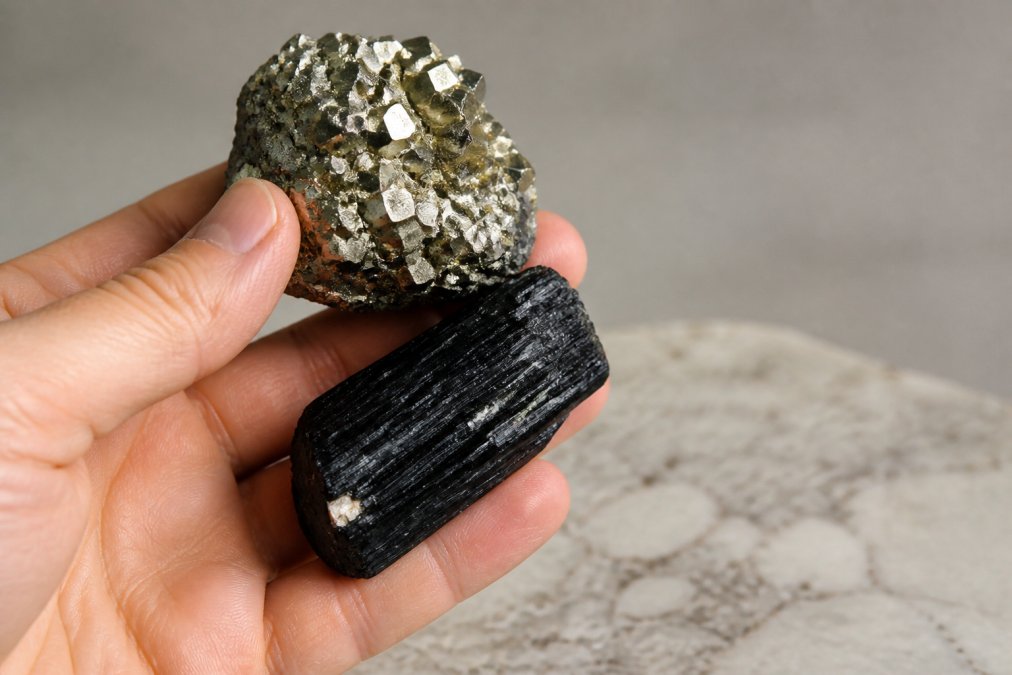
Serious collectors move beyond common specimens into rarer minerals requiring deeper knowledge and investment. Rare specimens offer unique geological formations, unusual color variations, or limited availability.
Pyrite, often called fool's gold, represents an accessible entry into rare specimens. Raw pyrite clusters display striking metallic luster and geometric cubic formations. Collector-grade specimens with well-formed crystals and minimal oxidation command significant value. The metallic golden appearance makes pyrite a statement piece, bringing industrial, jeweled quality to displays.
Black tourmaline in collector-grade form shows superior crystal definition and color saturation. Rare formations include tourmaline with quartz matrix, creating striking visual contrast. These specimens justify higher costs through geological uniqueness. Collectors seek specimens with perfect terminations and minimal damage.
Selenite specimens worth collecting include unusual formations, flowers (radiating clusters), desert rose (selenite with sand inclusions), or large transparent crystals. Raw selenite towers with perfect clarity and minimal fractures are rarer than common specimens.
For advanced collectors, specimens like watermelon tourmaline, unusual mineral combinations, and geographically significant pieces become the focus. A specimen from a historically important mining location or displaying rare color variations can appreciate in value.
The investment aspect shouldn't overshadow primary value as objects of beauty and wonder. A rare specimen should first appeal aesthetically and spiritually before considering monetary value. The best collections are built on genuine passion for minerals rather than speculation.
Conclusion
Raw natural specimens offer genuine connection to geological time, authentic beauty without artificial enhancement, and intentional objects that invite deeper engagement than mass-produced décor. Whether drawn to quartz clusters' translucent clarity, black tourmaline's protective grounding, or collector-grade formations' rare geometric perfection, raw minerals bring authenticity and meaning to your space.
The challenge most people face is knowing which pieces serve their space and intentions while ensuring ethical sourcing and authenticity. At CrystalCloud Company, we curate raw natural specimens selected with intention, verified for authenticity through rigorous testing, and sourced from trusted suppliers prioritizing ethical practices. Our collection ranges from beginner-friendly raw quartz clusters to rare collector-grade formations, with expert guidance on crystal pairing and display. Explore the Collection and discover how raw natural specimens can elevate your environment with genuine geological beauty and intentional energy.
=== FAQ ANSWERS (audit these too, same rules) ===
[1] Q: How do you clean raw natural specimens without damaging them? A: Most raw mineral specimens can be gently dusted with a soft brush or cloth. Avoid water on soft minerals like selenite, which has a Mohs hardness of 2 and dissolves easily. For harder stones like quartz, a damp cloth works fine, just dry thoroughly afterward. Never use harsh chemicals or ultrasonic cleaners, as these can damage the natural patina and delicate crystalline structure that makes raw specimens aesthetically unique.
[2] Q: What are the best crystals for home protection? A: Black tourmaline and smoky quartz are traditionally chosen for protective energy and grounding. Black tourmaline is believed to create a shield against negative energy, while selenite is used for cleansing spaces. Raw specimens of these minerals work well because their organically textured surfaces and natural formations are thought to amplify their protective properties. Placement near entryways or windowsills is common among collectors seeking to establish energetic boundaries in their homes.
[3] Q: Are raw crystals better for home decor than polished stones? A: Raw specimens offer visual texture, a natural patina, and an organically textured aesthetic that polished stones cannot replicate. They work especially well in biophilic design, spaces that incorporate earth elements and natural materials. Raw quartz clusters, geodes, and rough mineral formations create focal points through their authentic geological appearance. Polished stones are smoother and more refined; raw stones feel more grounded and connected to their natural origins, making them ideal for those seeking that earthy, untamed look.
[4] Q: How do I know if raw specimens are ethically sourced? A: Reputable sellers provide documentation about the origin and mining practices for their raw mineral specimens. Ask whether stones are hand-selected from verified sources and whether the seller works directly with miners or established suppliers. Avoid specimens with unclear sourcing or those that appear artificially enhanced through heat treatment or dyeing. Ethical sourcing means transparency about where and how the mineral was extracted, fair labor practices, and environmental responsibility, factors that justify higher pricing for genuine, verified specimens.
Frequently Asked Questions
How do you clean raw natural specimens without damaging them?
Most raw mineral specimens can be gently dusted with a soft brush or cloth. Avoid water on soft minerals like selenite, which has a Mohs hardness of 2 and dissolves easily. For harder stones like quartz, a damp cloth works fine, just dry thoroughly afterward. Never use harsh chemicals or ultrasonic cleaners, as these can damage the natural patina and delicate crystalline structure that makes raw specimens aesthetically unique.
What are the best crystals for home protection?
Black tourmaline and smoky quartz are traditionally chosen for protective energy and grounding. Black tourmaline is believed to create a shield against negative energy, while selenite is used for cleansing spaces. Raw specimens of these minerals work well because their organically textured surfaces and natural formations are thought to amplify their protective properties. Placement near entryways or windowsills is common among collectors seeking to establish energetic boundaries in their homes.
Are raw crystals better for home decor than polished stones?
Raw specimens offer visual texture, a natural patina, and an organically textured aesthetic that polished stones cannot replicate. They work especially well in biophilic design, spaces that incorporate earth elements and natural materials. Raw quartz clusters, geodes, and rough mineral formations create focal points through their authentic geological appearance. Polished stones are smoother and more refined; raw stones feel more grounded and connected to their natural origins, making them ideal for those seeking that earthy, untamed look.
How do I know if raw specimens are ethically sourced?
Reputable sellers provide documentation about the origin and mining practices for their raw mineral specimens. Ask whether stones are hand-selected from verified sources and whether the seller works directly with miners or established suppliers. Avoid specimens with unclear sourcing or those that appear artificially enhanced through heat treatment or dyeing. Ethical sourcing means transparency about where and how the mineral was extracted, fair labor practices, and environmental responsibility, factors that justify higher pricing for genuine, verified specimens.