

Table of Contents
- What Does Ethically Sourced Mean in the Crystal Industry?
- How to Identify Ethically Sourced Crystals: A Beginner's Checklist
- Best Crystals for Beginners: Starter Recommendations
- The Environmental and Social Impact of Crystal Mining
- Lab-Grown vs. Natural Crystals: What Beginners Should Know
- How to Cleanse and Care for Your Ethically Sourced Crystals
- Building Your Ethical Crystal Practice: Next Steps
Last Updated: August 28, 2026
What Does Ethically Sourced Mean in the Crystal Industry?
Ethically sourced crystals are minerals extracted, processed, and distributed through practices that prioritize fair treatment of workers, environmental protection, and supply chain transparency. The crystal industry has historically operated with minimal oversight, and greenwashing is rampant: retailers slap "eco-friendly" labels on conventionally mined stones without substantiation. Understanding what ethical sourcing actually means is your first defense against misleading marketing.
Supply Chain Transparency and Traceability
Genuine supply chain transparency means you can follow a crystal from its geological origin through every step of processing and distribution. A responsible seller should have documentation showing the mine of origin, dates of extraction, and handling records, not just verbal assurance.
CrystalCloud Company traces its inventory through documented supply chains, allowing customers to understand exactly where their stones originated. Traceability is the foundation of ethical sourcing; without it, you're buying on faith rather than fact.
Fair Labor Practices and Mining Conditions
Crystal mining occurs in countries with varying labor protections. Fair labor practices require documented proof that workers are adults earning livable wages, working reasonable hours, and operating in safe conditions. The key question: Has the seller verified labor conditions through third-party audits or direct supplier relationships? Vague commitments to "fair wages" mean nothing without accountability mechanisms.
Environmental Responsibility in Extraction
Crystal mining disrupts ecosystems through topsoil removal, altered water tables, and toxic runoff (usgs.gov). Responsible operations implement restoration protocols, manage water use carefully, and minimize chemical exposure. Environmental responsibility extends to processing facilities, where stones may be treated with dyes, resins, or heat. The carbon footprint of shipping also matters, crystals traveling by air carry higher environmental cost than locally sourced or regionally distributed stones.
How to Identify Ethically Sourced Crystals: A Beginner's Checklist
Identifying genuinely ethical crystals requires moving beyond marketing language to verify actual practices.
Third-Party Certification and Verification
Third-party certifications provide independent verification of ethical claims. Look for certifications from Fairmined (fair labor and environmental standards), Responsible Jewellery Council (RJC), Cradle to Cradle (environmental responsibility), or ISO 14001 (environmental management systems).
However, certification alone isn't sufficient. A seller holding RJC certification but unable to name the specific mines their stones come from is only partially transparent. Ask sellers directly: "Which certifications do your suppliers hold? Can you provide documentation?" Legitimate sellers will have answers.
Red Flags in Crystal Marketing and Greenwashing
Learn to spot these red flags:
Vague sourcing claims. Phrases like "responsibly sourced" without specific documentation are marketing language, not evidence.
Suspiciously low prices. If pricing is significantly below market rates, the savings likely come from corners cut on labor or environmental standards.
No supply chain information. If a seller cannot tell you which mine or region their stones came from, they're not practicing transparency.
Inconsistent documentation. If a seller provides different origin information for the same type of stone across different product listings, they're either disorganized or dishonest.
Questions to Ask Your Crystal Seller
Before purchasing, ask these questions directly:
-
"Which mine or region did this crystal come from?" A specific answer indicates they've tracked their supply chain.
-
"Do you have documentation of the mine's certifications?" Legitimate sellers can provide copies or direct you to verification.
-
"How did this stone move from the mine to you?" Understanding the supply chain reveals transparency levels.
-
"Has this stone been treated, dyed, or heat-treated?" Honest sellers disclose processing.
-
"What's your return policy if the stone doesn't feel authentic?" This signals confidence in product quality.
-
"Can you verify the labor conditions at your source?" Look for specific answers about fair wages and safe working conditions.
-
"What environmental practices does your sourcing operation use?" Look for specific answers about water management, restoration, and waste handling.
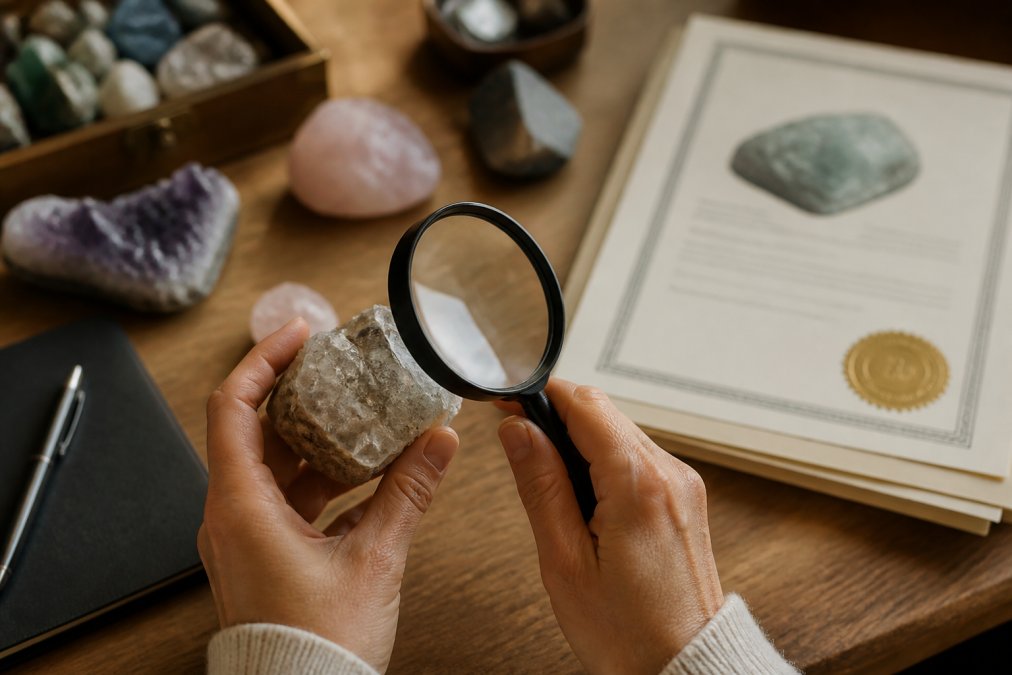
Sellers who answer thoroughly and provide documentation are worth your business.
Best Crystals for Beginners: Starter Recommendations
Starting a crystal practice doesn't require a large collection. These four stones are widely available, relatively affordable, and offer distinct energetic qualities.
Amethyst: Calming and Widely Available
Amethyst is the purple variety of quartz, found abundantly in mines across multiple continents. Its availability makes it one of the easiest crystals to source ethically because competition among suppliers drives transparency. Amethyst is traditionally associated with calming energy, making it popular for meditation and sleep support.
When purchasing amethyst, look for natural color (not artificially dyed purple). Heat-treated amethyst is common and acceptable if disclosed. Raw amethyst clusters are more affordable than polished pieces and work equally well for beginners.
Clear Quartz: The Versatile Foundation Stone
Clear quartz is the most versatile crystal for beginners. It's abundant, affordable, and metaphysically flexible, practitioners use it to amplify other stones' energy or as a standalone foundation for general energy work. A raw clear quartz point from a responsible supplier costs significantly less than a polished specimen, making it ideal for budget-conscious beginners.
Rose Quartz: Gentle Energy for Self-Care
Rose quartz is pink quartz associated with self-love and emotional softness. It's widely available and typically affordable. Some sellers artificially color pale quartz pink or dye white quartz, so ask whether the rose quartz you're considering is naturally colored or treated. For beginners, a small polished rose quartz heart or tumbled stone is practical and affordable.
Black Tourmaline: Protection and Grounding
Black tourmaline is a grounding stone traditionally used for protection and energetic boundaries. Some suppliers misrepresent tourmaline species or heat-treat stones to enhance color, so ask whether the black tourmaline you're considering is natural color or treated. A raw black tourmaline specimen or small polished piece works well for beginners.
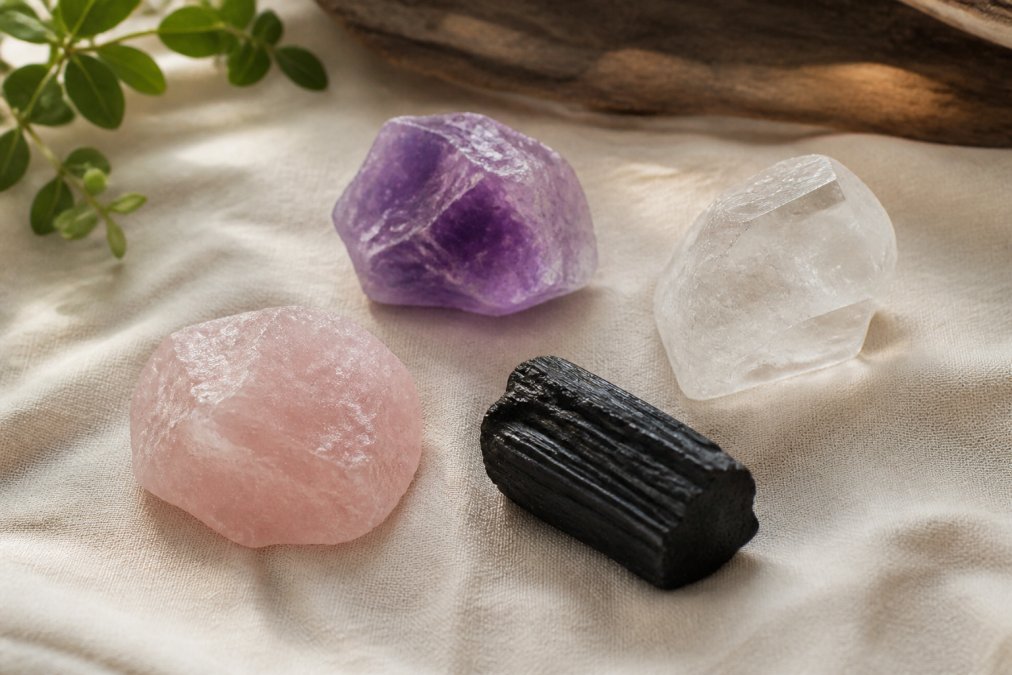
These four stones form a balanced beginner collection: calming (amethyst), foundational (clear quartz), heart-centered (rose quartz), and grounding (black tourmaline).
The Environmental and Social Impact of Crystal Mining
Understanding the broader impact of crystal mining contextualizes why ethical sourcing matters. The crystal industry's growth has accelerated mining in regions with limited environmental regulation and labor protections.
Carbon Footprint and Shipping Considerations
Crystals shipped by air from distant mines carry a significantly higher carbon footprint than those shipped by sea or sourced regionally (the EPA). Most large crystal retailers rely on air freight to meet demand quickly, prioritizing speed over environmental impact. Smaller, regionally focused suppliers often use slower shipping methods, reducing their carbon footprint substantially.
For beginners committed to ethical sourcing, consider the full impact: a locally sourced or regionally distributed crystal carries lower environmental cost than an identical stone flown internationally. Asking sellers about their logistics reveals their environmental priorities.
Upcycled and Reclaimed Crystals as Alternatives
Upcycled and reclaimed crystals offer an ethical alternative to newly mined stones. These are crystals from estate sales, closed collections, or surplus inventory. Purchasing reclaimed crystals eliminates the mining and supply chain impact entirely. However, provenance can be difficult to verify, and prices can be unpredictable because availability is limited. Some sellers specialize in reclaimed and upcycled stones.
Lab-Grown vs. Natural Crystals: What Beginners Should Know
Lab-grown crystals are chemically identical to natural stones but created in controlled environments rather than mined (peer-reviewed research). Lab-grown crystals eliminate mining impact entirely, but they're less common in the market and often more expensive.
For energy work, perspectives differ. Some practitioners argue that lab-grown crystals lack the geological history and energetic depth of natural stones. Others assert that the chemical structure is identical, so energetic properties are equivalent. From an ethical sourcing perspective, lab-grown crystals sidestep the entire mining question. If your primary concern is environmental and social impact, lab-grown stones are the most responsible choice. If you value geological authenticity, naturally sourced ethically verified stones are preferable.
How to Cleanse and Care for Your Ethically Sourced Crystals
Caring for your crystals extends their life and maintains their energetic properties. Common cleansing methods include moonlight exposure, running water, salt water, and smoke cleansing.
For beginners, moonlight cleansing is safest, it's gentle, requires no special materials, and works for all stone types. Avoid water for stones that contain copper or are structurally fragile. Avoid salt water for softer stones that may dissolve.
Store crystals in a dedicated space away from direct sunlight to prevent fading. Protect delicate specimens from physical damage by wrapping them individually. Periodically cleanse your collection; monthly cleansing is common, though frequency depends on how actively you're using the stones.
Building Your Ethical Crystal Practice: Next Steps
Starting an ethical crystal practice requires intention beyond simply purchasing stones. Begin with the four beginner stones outlined above. Research sellers thoroughly using the verification checklist provided. Ask questions before purchasing. Build relationships with suppliers who prioritize transparency.
As your practice develops, expand into stones that resonate with your specific intentions. Most importantly, remember that ethical sourcing is an ongoing commitment, not a single purchasing decision. Start where you are, ask questions, and prioritize sourcing integrity over collection size.
Your crystal practice will be more meaningful when you know the stones' origins and trust that their extraction didn't harm people or ecosystems.
Building an ethical crystal practice begins with understanding what ethical sourcing actually means and learning to identify greenwashing. The four beginner stones covered here, amethyst, clear quartz, rose quartz, and black tourmaline, offer a balanced foundation for exploring crystal energy work responsibly. At CrystalCloud Company, we've built our entire sourcing model around supply chain transparency, fair labor verification, and environmental responsibility. Explore our curated collections and discover how genuine ethically sourced crystals can enhance your spiritual practice without compromising your values.
Frequently Asked Questions
How can I tell if a crystal is ethically sourced?
Look for sellers who provide detailed provenance information, including the mine location and extraction method. Request third-party certification documents, ask about labor practices, and verify supply chain transparency. Reputable sellers will answer specific questions about where crystals come from and how they're handled. Be wary of vague descriptions like 'sourced responsibly' without supporting documentation.
What are the best crystals for beginners?
Amethyst, clear quartz, rose quartz, and black tourmaline are ideal starter stones. Amethyst promotes calm and clarity, clear quartz amplifies intentions, rose quartz supports self-compassion, and black tourmaline offers grounding protection. These crystals are widely available from ethical sources, relatively affordable, and versatile for different intentions. Start with one or two that resonate with your current needs.
What environmental impacts come from crystal mining?
Crystal mining can disrupt ecosystems, consume significant water resources, and generate carbon emissions through extraction and transportation. Mining operations may damage habitats and contribute to soil degradation. Ethical sourcing addresses these concerns through responsible extraction practices, habitat restoration, and reduced shipping distances. Consider upcycled or reclaimed crystals as lower-impact alternatives to newly mined stones.
Can I trust lab-grown crystals as an ethical alternative?
Lab-grown crystals are chemically identical to natural stones and eliminate mining-related environmental damage. They require less energy than some mining operations but still consume resources in production. Lab-grown crystals are ethically sound for beginners concerned about environmental impact, though some practitioners prefer natural stones for their geological origin and vibrational properties. Both options can be ethical depending on sourcing practices.
What red flags should I watch for when buying ethically sourced crystals?
Avoid sellers who use vague language like 'ethically sourced' without documentation, offer prices unusually lower than competitors, refuse to answer questions about mining locations or labor conditions, or make exaggerated healing claims. Be skeptical of sellers claiming 'conflict-free' status without third-party verification. Greenwashing is common in the crystal industry, so request specific details about supply chain transparency and certification.
How do I know if a crystal has been artificially treated or dyed?
Ask your seller directly whether stones have been heat-treated, dyed, or enhanced in any way. Reputable sellers disclose treatments upfront. Natural crystals should come with documentation of their original state. Compare prices, artificially enhanced stones typically cost less than untreated equivalents. Request photos of the stone in its raw form before polishing, and look for consistency in color and clarity that matches natural variation patterns.
Where should I buy ethically sourced crystals as a beginner?
Purchase from sellers who provide detailed sourcing information, third-party certifications, and clear communication about mining practices and labor conditions. Small businesses and specialty crystal retailers often prioritize ethical sourcing more rigorously than mass-market retailers. Ask for references, read customer reviews about authenticity, and verify that sellers can answer specific questions about provenance. Direct relationships with ethical suppliers ensure better traceability.