

Table of Contents
- What Makes Authentic Raw Crystal Statement Pieces Special
- How to Tell If a Raw Crystal Is Real
- High Quality Healing Stones Online: What to Look For
- Ethical Sourcing and Transparency in Crystal Supply Chains
- Raw vs. Tumbled: Understanding Stone Characteristics
- Styling Raw Crystal Statement Pieces in Your Home
- Caring for and Cleansing Your Raw Specimens
- Building Your Collection: From Beginner to Collector
- Frequently Asked Questions
Last Updated: September 1, 2026
What Makes Authentic Raw Crystal Statement Pieces Special
Authentic raw crystal statement pieces represent far more than decorative objects. These geological formations, shaped over millions of years, each carry distinct energetic signatures and visual character. The difference between genuine raw specimens and synthetic reproductions is fundamental to whether the stone delivers the metaphysical properties and aesthetic impact you seek.
At CrystalCloud Company, collectors distinguish authentic pieces through specific markers: natural terminations, authentic color saturation, geometric precision reflecting actual mineral formation, and weight-to-size ratio indicating genuine density. A raw amethyst cluster displays natural striations and color banding that heat-treated imitations cannot replicate convincingly.
What separates a statement piece from ordinary specimens is scale and presence. A true statement piece commands attention in a room, preserving the complete geological narrative through its unpolished, unrefined character. Unlike tumbled stones, raw pieces retain evidence of formation, drawing serious collectors and practitioners to seek ethically sourced, verified specimens rather than mass-produced alternatives.
How to Tell If a Raw Crystal Is Real
The ability to identify authentic raw crystals from synthetic or heavily treated stones is the single most important skill for anyone purchasing authentic raw crystal statement pieces online.
Physical Indicators of Genuine Specimens
Natural raw crystals exhibit specific physical properties that define authenticity. Genuine specimens feel heavier than their size suggests due to actual mineral composition. Color saturation in authentic specimens follows natural patterns, real amethyst shows color concentration deepest at the base of crystal points and gradually lighter toward terminations, while heat-treated imitations display uniform color throughout. Black tourmaline specimens show natural metallic luster and color variation that synthetic versions cannot replicate.
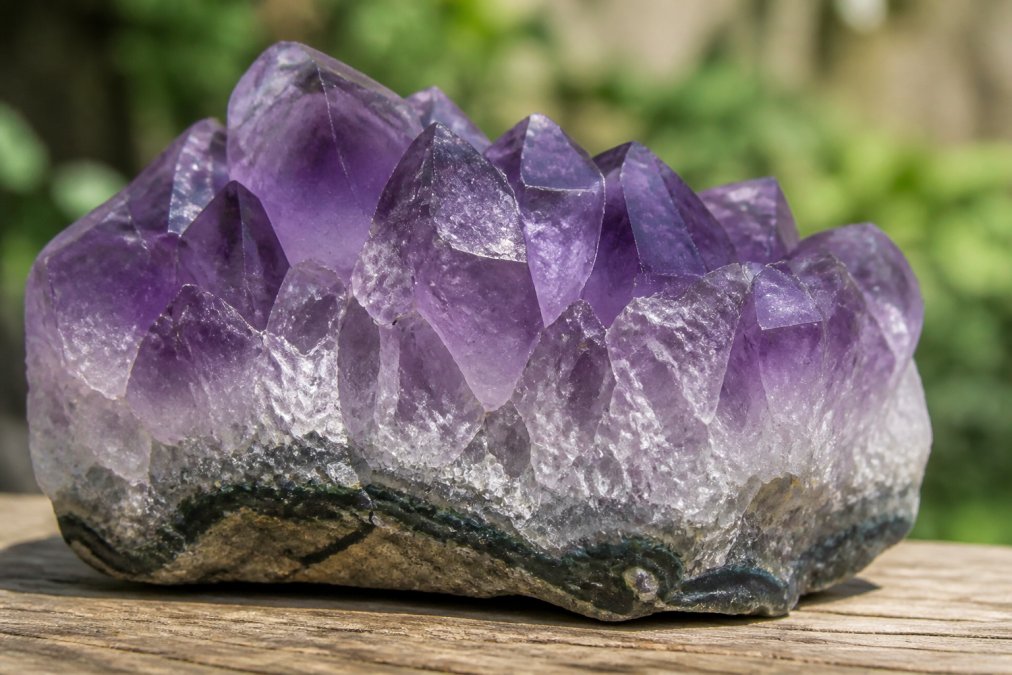
Authentic specimens display "collector grade" characteristics, imperfections and irregularities proving genuineness. Natural fractures, iron oxide staining, and mineral inclusions visible within the crystal structure all indicate authentic geological formation. Crystal terminations on authentic pieces show natural wear patterns and specific geometric angles corresponding to the mineral's crystalline system. These angles cannot be altered without destroying the specimen, whereas synthetic pieces often display perfectly smooth, uniform terminations because they're machine-cut rather than naturally formed.
Spotting Synthetic and Heat-Treated Stones
Synthetic crystals are manufactured in laboratories using accelerated crystallization processes, lacking the geological depth of authentic specimens. They display unnaturally uniform color, perfect clarity without natural inclusions, and a glossy appearance differing from genuine raw specimens.
Heat-treated stones represent the most common enhancement in the crystal market. Heating artificially intensifies color and removes natural cloudiness. Amethyst frequently undergoes heat treatment to achieve deeper purple tones, and citrine is almost always heat-treated amethyst (peer-reviewed research). Many practitioners report that heat-treated stones feel energetically "flat" compared to unaltered specimens.
Dyed crystals absorb artificial pigmentation that can fade or flake with handling, displaying color too uniform or too vibrant compared to natural specimens.
High Quality Healing Stones Online: What to Look For
Finding high quality healing stones online requires understanding what separates genuine, potent specimens from mass-produced alternatives. Quality encompasses authenticity, energetic resonance, specimen size and presence, and supply chain integrity.
High quality healing stones possess what practitioners call "vibrational frequency," an energetic signature distinctly different when held or placed in your space. This quality correlates directly with authenticity. Size matters for statement pieces, a raw statement piece should command presence in your space, typically measuring at least three to four inches across.
The mineral variety you choose should align with your specific intention. Black tourmaline serves protection and grounding; raw amethyst supports meditation and spiritual clarity; fluorite aids mental focus; calcite energizes and amplifies intention. Raw quartz clusters function as universal amplifiers, enhancing the energy of other stones in crystal grids.
Ethical sourcing directly impacts quality. Stones extracted through exploitative labor practices carry energetic imprints of that harm, while ethically sourced specimens from suppliers prioritizing worker welfare and environmental responsibility feel noticeably cleaner energetically. CrystalCloud Company maintains direct relationships with ethical suppliers, ensuring every piece meets standards for both authenticity and responsible sourcing.
Ethical Sourcing and Transparency in Crystal Supply Chains
The crystal supply chain spans from remote mining operations across multiple continents to your home. Transparency at every stage determines whether you're purchasing genuinely ethical pieces or supporting exploitative practices unknowingly.
Ethical sourcing begins at extraction. Responsible mining operations employ fair-wage workers, provide safe working conditions, and implement environmental restoration practices. Many crystal-producing regions, Madagascar, Brazil, Mexico, Morocco, have minimal labor protections (ilo.org). Ethical suppliers verify that mining partners meet specific labor and environmental standards, maintaining documented relationships with specific mines and tracing individual specimens to their origin.
Radical transparency means a seller can answer specific questions: Which mine did this specimen come from? How were workers compensated? What environmental restoration occurred after extraction? CrystalCloud Company provides detailed sourcing information for each specimen, including mine location, extraction practices, and worker compensation verification.
Environmental impact represents the second pillar of ethical sourcing. Mining creates significant ecological disruption, habitat destruction, water contamination, and soil degradation. Responsible suppliers prioritize sites where mining occurs with minimal environmental harm and invest in land restoration after extraction concludes.
The price difference between ethically sourced specimens and cheaper alternatives reflects genuine costs. Fair wages, safe working conditions, environmental restoration, and verification systems all increase per-specimen costs.
Raw vs. Tumbled: Understanding Stone Characteristics
Raw and tumbled specimens represent fundamentally different forms of the same mineral. Understanding these differences helps you choose the right format for your purpose.
Raw specimens preserve complete geological character. Crystal terminations remain sharp and naturally formed, displaying all natural striations, color variations, and mineral inclusions exactly as they formed underground. This authenticity makes raw pieces ideal for serious energy work, meditation practice, and collector appreciation. Raw specimens command presence in a room, unmistakably natural and real.
Tumbled stones undergo mechanical polishing that smooths all surfaces and edges, removes original terminations, and creates uniformity. This produces a refined aesthetic, smooth and gleaming. Tumbled specimens work well for pocket stones, crystal grids seeking uniform appearance, and beginners seeking approachable entry points.
The energetic difference between raw and tumbled is significant for practitioners. Many report that raw specimens feel more potent, more directly connected to earth energy. For home styling, raw pieces create drama and visual statement, commanding attention far more effectively than tumbled alternatives.
Styling Raw Crystal Statement Pieces in Your Home
Raw crystal statement pieces function as both energetic tools and interior design elements. Strategic placement amplifies both aesthetic and metaphysical benefits.
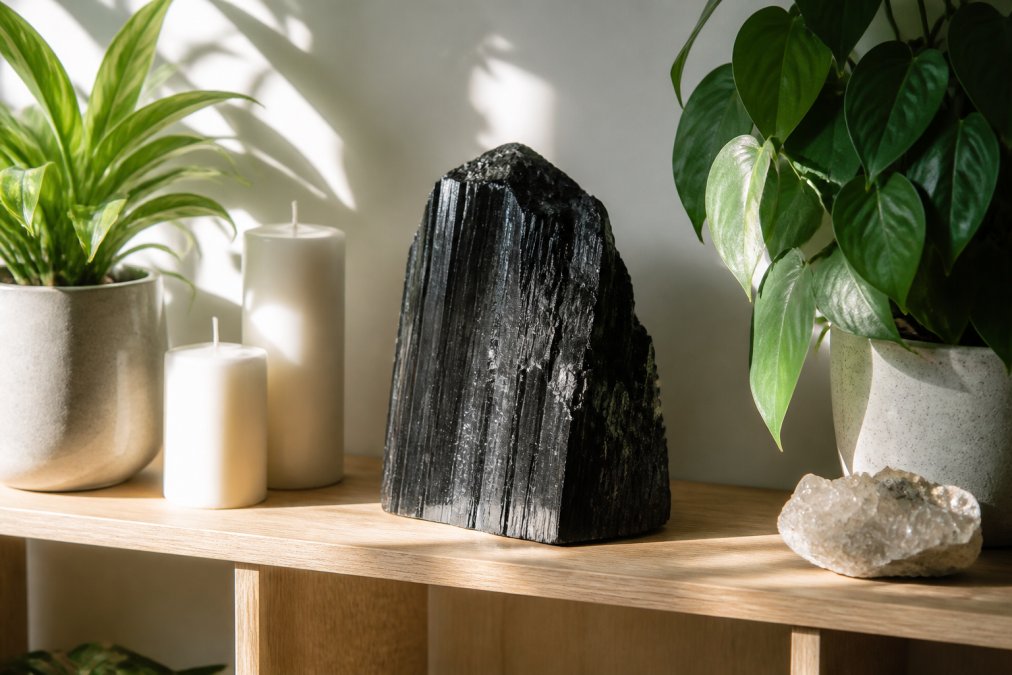
Statement pieces demand dedicated display space. A single large raw specimen creates more impact than multiple smaller pieces scattered throughout a room. Choose a location where the stone receives natural light, illuminating its natural color and striations. Shelving at eye level draws attention to the piece.
Pairing raw pieces with complementary décor enhances their presence. Wooden shelving, natural fiber baskets, and plants create earthy context complementing raw specimens. Raw crystals pair beautifully with warm lighting, natural materials, and earth-toned color palettes. Grouping specimens by mineral type creates visual coherence, while height variation prevents monotony.
Bedroom placement supports rest and dream work. Amethyst clusters positioned on nightstands facilitate deeper sleep and spiritual dreaming. Living room placement emphasizes grounding and protection. Workspace placement benefits from fluorite or clear quartz for mental clarity and focus.
Caring for and Cleansing Your Raw Specimens
Raw specimens require specific care practices to maintain their authenticity, appearance, and energetic potency.
Physical cleaning differs from energetic cleansing. Dust raw specimens gently with a soft, dry cloth. Never use water or harsh chemicals that can damage the mineral surface or cause discoloration. Some specimens are water-soluble; amethyst tolerates brief water exposure, but selenite dissolves in water and requires only dry dusting.
Energetic cleansing removes accumulated energy and resets the specimen's vibrational frequency. Moonlight exposure places the specimen under full moonlight overnight, allowing lunar energy to purify the stone. Sunlight works for most specimens, though prolonged direct sun can fade color in sensitive stones like amethyst. Smoke cleansing using sage or palo santo passes smoke around the specimen while holding clear intention.
Storage matters for long-term preservation. Keep raw specimens in a cool, dry location away from direct sunlight that could fade color. Store delicate pieces separately to prevent damage from contact with harder minerals. Use cloth pouches or wooden boxes rather than plastic containers that trap moisture. Avoid basements or damp environments where moisture could cause discoloration or mineral degradation.
Building Your Collection: From Beginner to Collector
Starting a raw crystal collection requires understanding your intention, then building systematically rather than accumulating randomly.
Beginners benefit from starter collections focused on versatile specimens with broad applications. Clear quartz serves as the foundation, amplifying intention and working in any energy practice. Amethyst supports meditation and spiritual clarity. Black tourmaline provides grounding and protection. These three minerals form a functional foundation for any practitioner. CrystalCloud Company offers beginner-friendly kits combining these essential specimens with guidance on their properties and applications.
Moving from beginner to intermediate collector means expanding variety based on specific intentions. Let your actual practice guide collection building rather than accumulating everything. Advanced collectors often specialize, focusing deeply on specific mineral varieties or geological formations.
Documentation becomes increasingly important as your collection grows. Photograph each specimen, noting its mineral type, approximate size, origin if known, acquisition date, and unique characteristics. This documentation helps you remember which pieces you have, tracks your collection's growth, supports insurance claims if needed, and creates a record of your collecting journey.
Sourcing becomes more sophisticated as you advance. Beginning collectors rely on retail sources like CrystalCloud Company. Intermediate collectors might attend mineral shows or connect with direct suppliers. Advanced collectors often develop relationships with specific mines or suppliers, enabling access to rare specimens and wholesale pricing.
Budget allocation shifts as you progress. Beginners might spend modest amounts on multiple smaller pieces. Intermediate collectors invest in fewer, higher-quality specimens that deliver more impact. Advanced collectors may spend significantly on single statement pieces or rare specimens, viewing the collection as both personal practice and investment.
Building an authentic raw crystal collection rooted in genuine specimens and ethical sourcing transforms your space and amplifies your energy work. The difference between authentic pieces and mass-produced alternatives determines whether you're truly connecting with earth energy or simply accumulating attractive rocks. CrystalCloud Company specializes in curated, ethically sourced, verified authentic raw crystal statement pieces online, each specimen selected with intention to support your spiritual practice and elevate your environment. Explore the Collection to discover pieces that resonate with your personal journey.
Frequently Asked Questions
How can I verify the authenticity of raw crystals before purchasing?
Authentic raw crystals show natural geological formations, uneven surfaces, and color variations typical of their mineral variety. Request documentation of sourcing and ask sellers about testing methods. Genuine specimens should feel substantial and display the specific gravity expected for that mineral. Ethical retailers like CrystalCloud Company provide transparency about where stones originate and how authenticity is verified, distinguishing them from sellers offering heat-treated or synthetic alternatives.
What are the signs of ethically sourced crystals?
Ethically sourced crystals come with clear supply chain documentation showing where the stone was extracted and how it was handled. Reputable sellers prioritize radical transparency, sharing information about mining practices and fair labor standards. Look for retailers who hand-select specimens, work directly with trusted sources, and can explain the origin of each piece. Avoid vague sourcing claims or suspiciously low prices, which often signal unethical practices or synthetic stones.
Are raw crystals more valuable than polished specimens?
Value depends on the mineral variety, size, clarity, and collector demand rather than whether a stone is raw or polished. Raw clusters and unpolished stones appeal to collectors seeking authentic geological formations and natural aesthetics, while polished pieces attract those prioritizing interior design integration. High-quality healing stones online command premium prices based on authenticity, rarity, and ethical sourcing, not form alone. Both raw and tumbled specimens can be collector grade and valuable.
What defines a 'statement piece' in crystal collecting?
A statement piece is a large, visually striking raw specimen or polished crystal chosen for its aesthetic impact and metaphysical properties. These handpicked pieces serve as focal points in home decor, commanding attention through size, color, or unique geological formation. Statement pieces combine beauty with intention, resonating with your personal energy while elevating your living space. They're often rare mineral varieties like raw amethyst, black tourmaline, or fluorite geodes selected for their specimen quality and visual appeal.